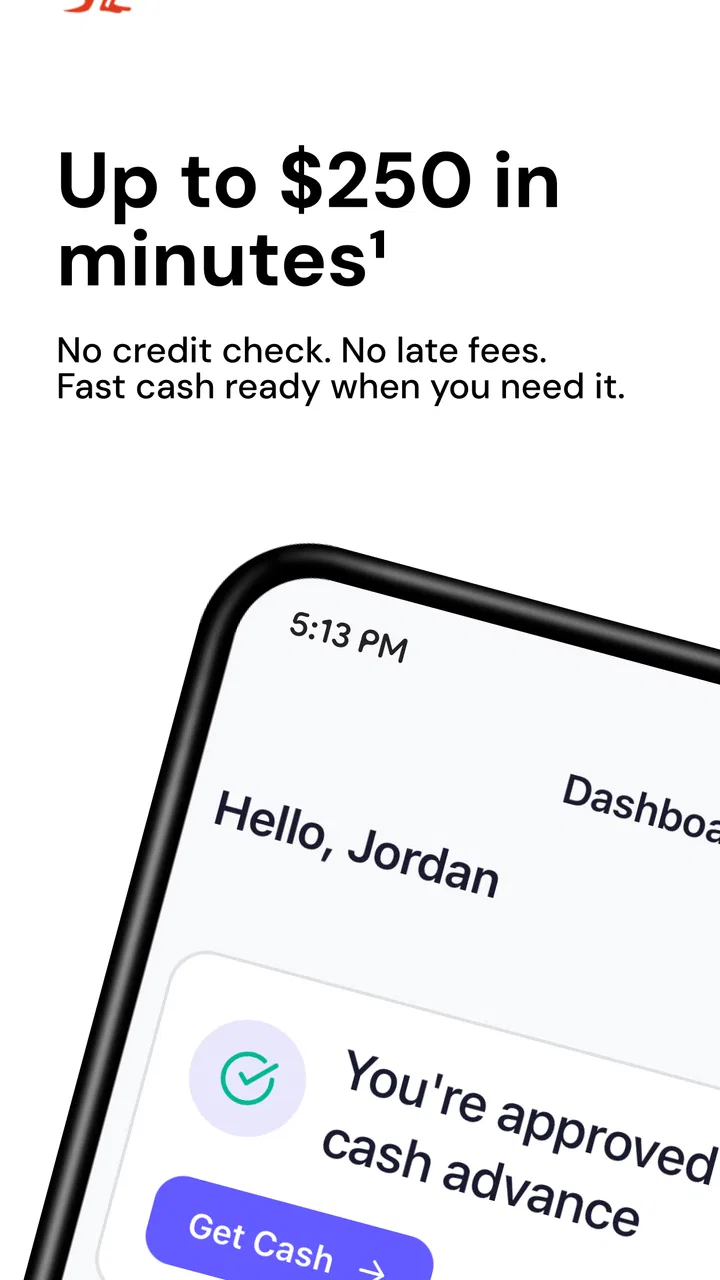
Rocco - Fast Cash Advance
- 4.2
- Rating
- 100.00K
- Installs
- Free
- Price

 Analysis by App-foxy
When an unexpected bill lands between paydays, a cash-advance app can feel more useful than a long-term budgeting tool. I tested Rocco - Fast Cash Advance with that specific situation in mind: not as a replacement for a bank account, but as a finance app designed to help users explore short-term cash access and personal-finance services from a phone. My first impression was that its appeal is immediate. You can open it when money is tight, review the available path, and decide whether the service fits your situation without committing to a complicated financial routine.
That convenience is also where I think users need to stay most alert. A cash advance solves a timing problem; it does not solve an income problem. The app can be worthwhile when a small gap is temporary and you already know how the next deposit will cover it. It is much less suitable when advances are becoming part of every pay cycle. After using it beyond the initial novelty, I found that its lasting value depends less on how quickly it gets your attention and more on whether it helps you make calmer, better-timed decisions.
What the first week feels like
In the first week, the strongest part of the experience is the focused purpose. Rocco is not trying to be a broad investing dashboard, a full banking replacement, or an elaborate expense tracker. Its identity is centered on cash advances and personal finance services. That makes the app easier to understand than a crowded financial platform where borrowing is buried among cards, transfers, rewards, and market tools.
You May Also Like

 Blood Strike: 2.5 Anniversary
Blood Strike’s Loadouts Turn Every Drop Into a Tactical Gamble
A close look at Blood Strike’s custom loadouts: how fast access to signature weapons reshapes its battle royale rhythm, rewards preparation, and narrows the gap between fights.

 Pandora - Music & Podcasts
Pandora’s Music Is Easy to Start, but Harder to Recover
Pandora’s strength is its low-effort path from a seed to a station. Its weak spot is how much confidence it asks you to place in connection, setup, and quiet recovery.

 8 Ball Pool
 Is Built on Rivalries, Rematches, and Routine
A close look at the rivalries, rematches, shared routines, and unanswered safety questions that turn a quick pool match into a persistent mobile community.

 Samsung Music
’s Quiet Strength Is Playing What You Already Own
Its reach comes less from spectacle than from dependable access to a personal library. That simplicity is both the app’s strongest retention engine and its ceiling.

 AccuWeather: Weather Radar
AccuWeather Review: A Quick, Clear Forecast for Everyday Decisions
For everyday plans, the best forecast is the one you can understand quickly. AccuWeather makes rain timing, radar, and local conditions easy to act on, with a few trade-offs.

 Hill Climb Racing
Why Hill Climb Racing Still Turns Crashes Into One More Run
A tiny car, a bumpy hill and one more upgrade: Hill Climb Racing keeps resurfacing because its simple chaos makes every near-miss feel personal.
More From Our News Desk



I would approach the opening session with one question: “Do I need short-term help, or do I need a different financial solution?” That distinction matters. If the need is a one-off timing issue, the app’s directness can be helpful. If the underlying issue is recurring rent pressure, debt, or an income shortfall, moving money forward may only make the following pay period harder.
The app is free to install, which lowers the barrier to checking whether it is relevant. Free access should not be confused with free borrowing, though. Before accepting any financial offer, I would read every displayed condition, repayment detail, and possible charge inside the app. That is not a criticism unique to Rocco; it is basic discipline whenever an app connects convenience with credit or an advance.
One practical habit improved my first-week experience: I would not open the app only when panicking. Instead, I would review the situation earlier, write down the bill amount, and compare it with the next reliable income date. That simple pause turns the app from an impulse button into a decision aid. If the numbers do not work without another advance, that is a warning to stop rather than continue.
Rocco is published by Rocco Finance, Inc., and its straightforward finance focus makes it approachable for people who do not want a complex money-management system. The content rating is Everyone, so its presentation is intended for a broad audience. Even so, financial responsibility still depends on the user’s age, income, obligations, and understanding of the agreement, not merely on an age label.
A realistic payday-gap scenario
Imagine that a utility bill is due three days before payday and the amount is manageable once the paycheck arrives. In that case, I can see why someone would consider Rocco. The useful workflow is to identify the exact gap, check the repayment timing, and decide whether the next deposit leaves enough for food, transport, housing, and other fixed commitments. If repayment would consume money already assigned to essentials, the advance is not really solving the problem.
This is also where the app’s value can be misunderstood. The attractive part is not simply receiving money sooner. The real benefit, if the terms are acceptable, is reducing the friction between recognizing a temporary gap and examining a possible remedy. That is a modest benefit, but it can matter when a user needs a clear next step rather than a dozen unrelated financial features.
My advice during the first week would be to treat the app as a place for comparison and planning before treating it as a source of funds. Check the repayment date against the calendar, consider whether another bill will arrive first, and keep a record of what you agreed to. A screenshot or note of the key terms can prevent the common mistake of remembering only the amount received while forgetting the timing and total obligation.
Where it differs from familiar alternatives
Compared with asking a traditional bank for an overdraft or personal loan, a cash-advance app usually feels more immediate and less formal. That can be its advantage when the amount needed is small and the timing is short. A bank may be a better choice for a larger, planned expense, a longer repayment period, or a relationship that includes budgeting support and clearer long-term borrowing options.
Compared with a budgeting app, Rocco addresses liquidity rather than behavior. A budget can show that a subscription, irregular bill, or spending pattern is causing the gap. Rocco may help with the immediate timing, but it will not automatically make the budget healthy. I would use a budgeting tool alongside it if the same shortage keeps appearing, because the two products serve different purposes.
Compared with borrowing from a friend or family member, the app offers a more private and structured route, but that structure may come with conditions a personal arrangement does not. Compared with a credit card, it may feel more targeted for a short gap, while a card can create a revolving balance that lingers. Neither option is automatically better; the right choice depends on the total cost, repayment certainty, and whether borrowing is becoming routine.
Does it still earn a place after the novelty?
I judge Rocco’s lasting value by whether it helps me make a deliberate choice when a real cash gap appears, rather than becoming a reflex whenever money feels tight. In this section, I’ll look at the small habits that can keep that choice manageable, then turn to the kinds of access needs and everyday circumstances that may affect how comfortable the app is to use.
The month-to-month value is conditional
After the first few uses, the novelty of having quick access to a finance service fades. That is a good test. An app like this earns lasting space only if it remains useful without encouraging unnecessary borrowing. For me, the strongest long-term role is occasional: keep it available, understand how it works, and open it when a genuine short-term gap appears. I would not make it the center of my monthly financial routine.
The app’s public response suggests that many people find the concept useful: it has an average rating of 4.1 from around 4,000 ratings, with roughly 1,400 written reviews. It has also passed 100,000 installs. Those figures show meaningful adoption, but they do not tell me whether every user received the same result or whether the service fits every financial profile. I read them as evidence that the app is worth investigating, not as a reason to skip personal checks.
For recurring value, I would judge Rocco by three questions each month. Did I need it for a genuine timing issue? Could I repay without sacrificing essentials? Did using it reduce stress, or did it create another date to worry about? If the answers become unfavorable, keeping the app installed becomes less useful than changing the underlying plan.
A non-obvious advantage of occasional availability is psychological: knowing where to look can reduce frantic searching when a bill appears. But that advantage works only if I prepare before the emergency. I would review the account settings, understand the application flow, and note how repayment is presented while my finances are stable. Learning the process during a crisis makes rushed decisions more likely.
Another useful trade-off is convenience versus attention. A focused app can save time, but that same simplicity may make borrowing feel easier than it should. I would deliberately add friction by checking the next two weeks of expenses before proceeding. This is a small personal rule, yet it changes the app from a reflexive solution into one step in a broader decision.
What maintenance really involves
Rocco does not deserve permanent trust just because it was helpful once. Maintaining a healthy relationship with any cash-advance service means checking repayment dates, monitoring the bank balance, and keeping enough room for fixed expenses. The app may make access easier, but it cannot protect you from a repayment colliding with rent, groceries, or another automatic bill.
I would also revisit the app’s displayed terms whenever I return after a long break. Financial products can present different eligibility results, conditions, or available services depending on the user and the situation. I would never rely on memory from an earlier use. Reading the current screen is less convenient than tapping through quickly, but it is the safer habit.
Notifications can become a source of fatigue if they arrive when I am not actively considering a cash need. I would keep only alerts that help me track an obligation or important account activity, while avoiding a pattern where reminders encourage me to check for available money out of habit. The goal is to make the app responsive to a real need, not to let it become part of an anxious daily routine.
Version 3.0.0 is the current release, and the app supports Android 8.0 and later. That makes it accessible to people using older Android devices, although I would still keep the operating system and the app updated when possible. Finance apps handle especially sensitive decisions, so an outdated device or neglected software should not be treated casually.
Maintenance also includes record keeping. I would save the date of any advance, the amount, the repayment expectation, and the reason I used it. This creates a simple history that can reveal whether the app is helping with isolated events or masking a repeating shortage. That insight is more valuable than a vague feeling that the app is either “good” or “bad.”
Where user fatigue begins
The biggest source of fatigue is the cycle itself. A user may feel relief when a short-term gap is covered, then face a smaller balance at the next payday. If another bill arrives, the temptation is to repeat the process. Over time, the app can become associated with emergency thinking rather than financial control. That is the point where I would step back and consider a spending review, a conversation with a creditor, an employer-based option, or advice from a qualified financial counselor.
There is also decision fatigue. When money is tight, reading conditions, comparing alternatives, and forecasting repayment can feel exhausting. A simple interface may reduce the number of steps, but it cannot remove the need to understand the commitment. I would avoid using Rocco late at night, while distracted, or immediately after receiving a stressful bill. Waiting until I can read carefully is a practical safeguard.
Another limitation is category fit. Someone searching for detailed net-worth tracking, investment analysis, bill negotiation, or a complete household budget will probably find a dedicated finance app more useful. Rocco’s purpose is narrower. That narrowness is a strength for a specific cash-timing problem, but a weakness if I expect one installation to manage every part of my financial life.
Users who dislike borrowing altogether should also skip it. Even if the process feels easier than visiting a branch, an advance remains a financial obligation. The app is not a good match for someone who has no dependable repayment source, is already juggling several debts, or is looking for a permanent way to cover ordinary living costs.
Who should keep it, and who should move on?
I would recommend keeping Rocco available for a user with occasional, predictable income and a clearly defined short-term gap, provided that person reads the terms and can repay without compromising essentials. It may also suit someone who prefers a focused mobile service over a traditional bank conversation for a small, time-sensitive need.
I would recommend a different route for a user whose main problem is monthly overspending. A budgeting app, a spreadsheet, or a bank’s spending tools can expose the pattern more directly. For a planned major expense, a conventional loan comparison may offer a more appropriate structure. For persistent hardship, speaking with a nonprofit adviser or creditor may be more constructive than repeatedly moving future income forward.
The important distinction is between occasional access and dependence. Rocco can have a place in the first case. In the second, its convenience may hide the need for a larger change. That is not a flaw that an interface update can fix; it is a limit built into the cash-advance model.
My long-term verdict
My lasting opinion of Rocco - Fast Cash Advance is cautiously positive. I like its focused purpose, free entry point, and suitability for checking a short-term cash option from an Android phone. The app makes the most sense as an emergency tool that stays quiet until a genuine timing problem appears. Its value is practical rather than entertaining, and that is exactly why it should not be used casually.
The app earns a place after the first month only when the user creates boundaries around it. Check the obligation before accepting it, compare repayment with the full calendar of expenses, keep a written record, and treat repeated use as a signal to investigate the underlying budget. Those habits matter more than the initial convenience.
For someone who wants a complete personal-finance command center, I would choose a broader tool. For someone seeking a long-term debt solution, I would look beyond a cash-advance app. But for a clearly temporary gap where repayment is realistic, Rocco can be a useful option to examine. Its best feature is not making borrowing feel effortless; it is giving a focused place to evaluate whether borrowing is actually the right move.
FAQs for Rocco - Fast Cash Advance
01What is Rocco - Fast Cash Advance?
Rocco - Fast Cash Advance is a financial app designed to help eligible users request short-term cash advances through their mobile devices. After creating an account and providing the required personal and financial information, the app may evaluate your application and present available options. Approval, loan amounts, fees, and repayment terms are not guaranteed and can vary according to your profile and location.
02How does the application process work in Rocco?
To use Rocco, you generally need to download the app, create an account, verify your identity, and connect or provide information about your income and banking activity when requested. The service then reviews the submitted details to determine whether you qualify for an advance. Read every offer carefully before accepting it, especially the total repayment amount, due date, subscription charges, and any other applicable fees.
03How much money can I receive, and how quickly is it delivered?
The amount available through Rocco depends on factors such as your income, account history, eligibility, repayment record, and applicable state or regional rules. Delivery speed may also differ depending on the selected transfer method, bank processing times, weekends, and holidays. Although the app may promote fast access to funds, users should not assume that approval or instant delivery is guaranteed.
04What fees, repayment terms, or subscriptions should I check?
Before requesting money, carefully review the complete cost of using Rocco. Depending on the offer and your location, charges may include service fees, express-transfer fees, membership or subscription costs, and other expenses. Confirm the exact repayment date, automatic-debit conditions, cancellation policy, and consequences of late payment. Never accept an advance until you understand how much will leave your account and when.
05Is Rocco - Fast Cash Advance safe to use?
Rocco should be treated as a financial service, so users should review its privacy policy, permissions, licensing information, customer-support details, and terms before submitting sensitive data. Download the app only from an official store and avoid sharing passwords or verification codes. A cash advance can be expensive and may create financial pressure, so compare alternatives and use the service only if you can repay on time.
Pros
- Fast application process with quick eligibility decisions
- Simple interface makes requesting an advance easy
- May help cover unexpected short-term expenses
- Clear repayment details are shown before accepting
- Available through a convenient mobile experience
Cons
- Not available in every state or for all applicants
- Advance fees can make borrowing expensive
- Repayment may be due quickly after receiving funds
- Approval and loan amounts depend on personal financial details
- Late repayment could lead to additional fees or financial strain

Rocco - Fast Cash Advance
Gallery